DOJ Extends ADA Title II Web Compliance Deadline: What Public Entities Need to Know
Date Published: Apr 26, 2026
Date Modified: Apr 26, 2026
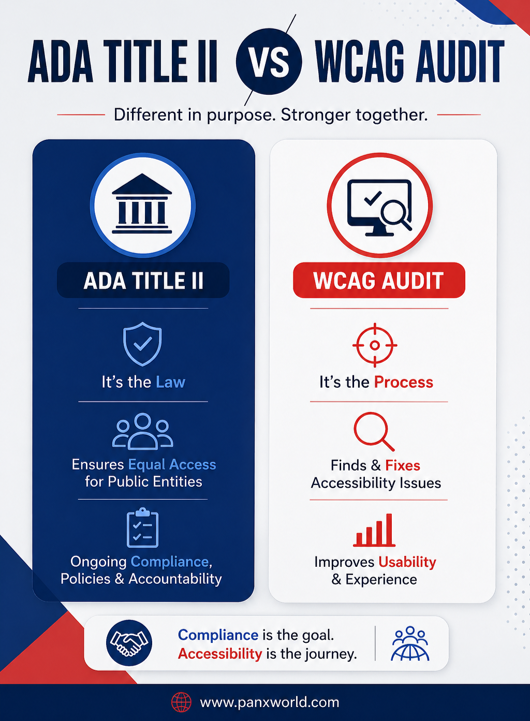
The U.S. Department of Justice (DOJ) has officially extended the ADA Title II web accessibility compliance deadlines, giving state and local government organizations more time to meet digital accessibility requirements. While this extension offers relief to many public entities, it does not change the core responsibility: ensuring equal access to digital services for people with disabilities.
Let’s break down what the new deadlines mean, why they were extended and what organizations should do next.
What Changed: Updated Compliance Deadlines
The DOJ issued an interim final rule extending the compliance timeline for public entities. The requirements remain the same, but the deadlines have been moved forward by one year.
-
Large Public Entities (population 50,000 or more):
New compliance deadline — April 26, 2027
-
Smaller Public Entities and Special Districts:
New compliance deadline — April 26, 2028
This extension provides additional preparation time, but organizations are still expected to continue working toward accessibility compliance without delay.
Accessibility Requirements Remain the Same
Even with the extended deadlines, the technical requirements have not changed. Public entities must ensure their digital services meet recognized accessibility standards.
-
Websites and Online Services:
Government websites, portals and digital platforms must be accessible to users with disabilities, including those using screen readers, keyboard navigation or assistive technologies.
-
Documents and Forms:
PDFs, downloadable files and online forms must be properly structured, labeled and readable by assistive technologies.
-
Mobile Applications and Digital Systems:
Accessibility requirements apply to mobile apps, payment systems, learning platforms and other digital tools used to deliver public services.
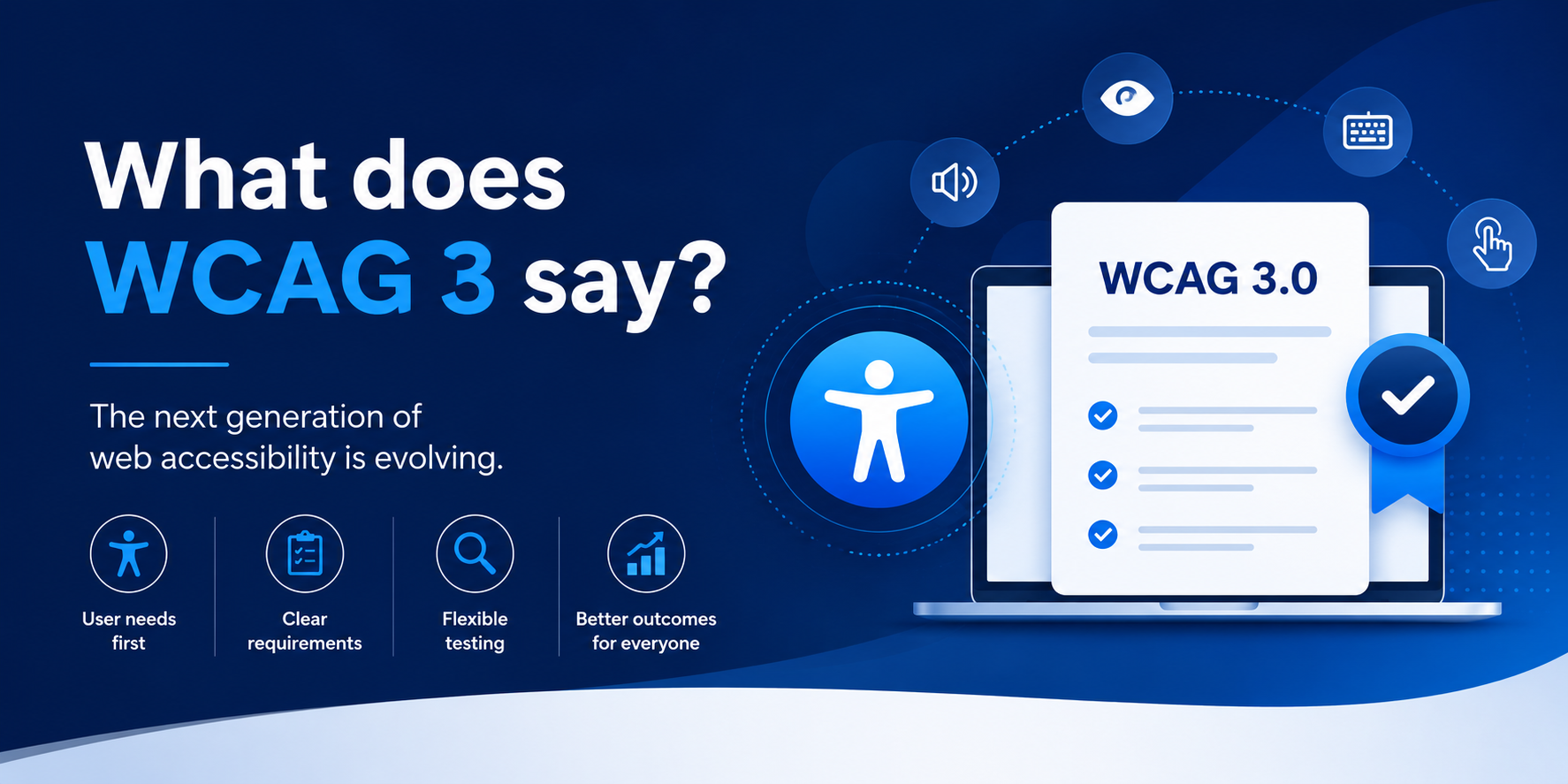
The standard referenced in the rule is WCAG 2.1 Level AA, which defines widely accepted accessibility practices for digital content.
Why the Deadline Was Extended
The DOJ recognized that many public entities faced practical challenges in meeting the original timeline. Accessibility remediation often requires coordination across teams, systems and vendors.
- Limited technical resources and accessibility expertise
- Budget and staffing constraints in public sector organizations
- Large volumes of legacy content that require remediation
- Complex digital systems that need structured accessibility updates
By extending the deadline, the DOJ aims to support realistic implementation while still reinforcing the importance of digital accessibility.
Important Clarification: The Responsibility Still Exists
- The deadline extension does not remove legal obligations under the ADA.
- Organizations must still provide accessible communication and equal access to services.
- Complaints, investigations and legal risks can still occur if accessibility barriers persist.
In other words, the timeline changed — but the expectation of accessibility did not.
What Organizations Should Do Now
- Conduct an accessibility audit to identify gaps in digital services.
- Prioritize remediation of high-impact user barriers.
- Train teams on accessibility best practices and compliance requirements.
- Establish long-term accessibility governance and monitoring processes.
The extra year should be used strategically — not as a reason to postpone accessibility work.
Conclusion
The DOJ’s decision to extend the ADA Title II compliance deadline provides valuable time, but it also reinforces a clear message: digital accessibility is a legal and operational priority.
Organizations that act early will reduce risk, improve service delivery and build trust with the communities they serve. Accessibility is not just about compliance timelines — it is about creating digital experiences that work for everyone.